CURRENT
60%
Have a policy today


Beyond the Noise : is hybrid reaching its equilibrium?
Despite widespread media coverage of return-to-office mandates, our findings show that the reported policy changes remain relatively modest. The reality is far more nuanced than the headlines suggest.
.png)
.png)
.png)
.png)
.png)
.png)
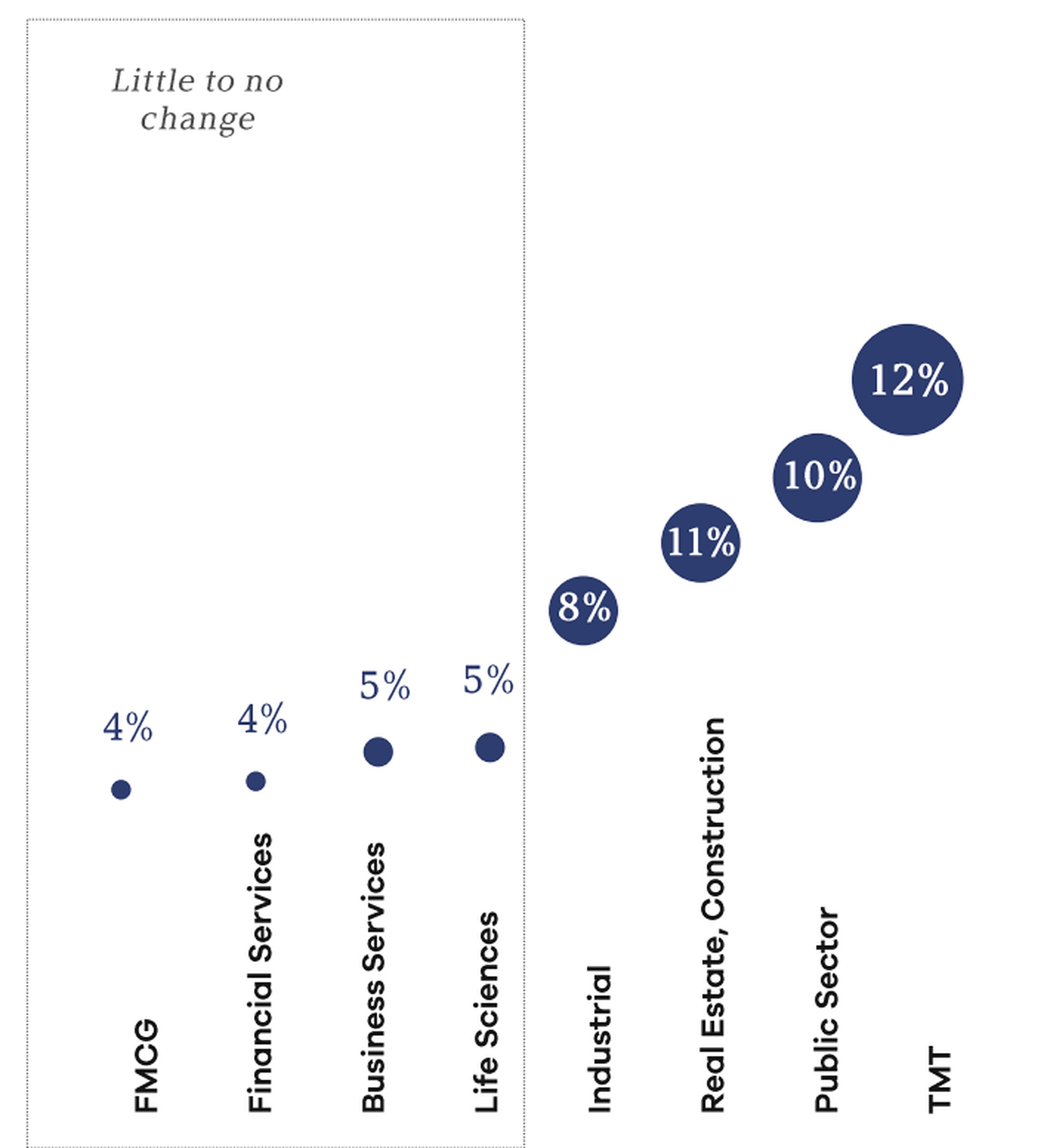
Share of press articles (analysed in November 2025) across the US and Europe announcing more office presence required from employers, less office presence required, or no change.

Organisations are no longer redesigning workplace policies. 80% consider having stablised/consolidated remote working policies. The next challenge is about the enforcement of these policies.

Actual attendance remains largely unchanged at c. 40% despite stricter mandates. A necessary footprint optimisation is now expected from many organisations.

Confidence in long-term workplace patterns is accelerating portfolio optimisation, especially from US companies.
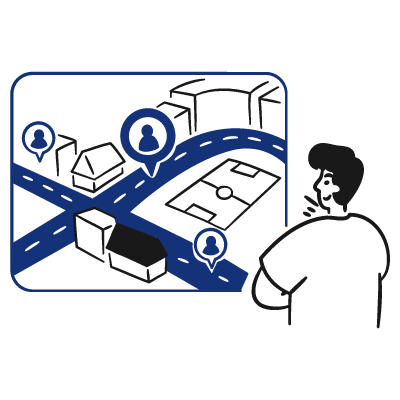
Central and vibrant locations will survive. Everything else will need to be rethink, reconverted.
Profile of companies responding
After several years of policy experimentation, c. 80% of respondents consider having a remote policy "Consolidated", "Fully Integrated" or "Stabilized". It is clear that organisations have reached stable policies balancing balance between flexibility and office presence. Remote working allowances remain broadly unchanged and closely aligned with employee expectations.
Remote working allowance evolution
(days / week).
Companies are increasingly adjusting their workplace policies to align with employee preferences, reinforcing a now-stabilized trend toward greater flexibility and remote work allowances averaging 2.7 days per week. It is also true that some employers are requiring full-time office attendance, counterbalanced by an increase in organizations offering fully remote work options.
While organisations continue to increase attendance requirements, actual employee behaviour remains remarkably consistent. Across most sectors, attendance appears to have reached a natural equilibrium of approximately two to three days per week.
As attendance stabilises at c. 40%, organisations continue to optimise workplace utilisation through desk-sharing. Adoption is becoming increasingly common across all company sizes and business sectors.
CURRENT
60%
Have a policy today
FUTURE
68%
Will have a policyin place


< 15,000
0.73

>15,000
0.56
Greater confidence in policies is translating into real-estate decisions. Most occupiers are continuing and increasing the right-sizing of their office portfolios.
Our index is composed of four elements
.svg)


2026

2025
Industry differences persist by industry
Workplace flexibility increasingly extends beyond home and office. Organisations are expanding access to coworking spaces, regional offices and temporary international working arrangements to improve talent attraction and retention.


Accessibility remains the dominant factor in office location strategy. Public transport connectivity, urban vibrancy and talent attraction are the main location criteria. Our in-house Office Vibrancy Index (c) help occupiers assess the vibrancy of any neighborhood and building in the world.

57%

28%

39%

26%

32%

11%
.png)
ESG considerations (Europe vs. North American headquartered companies)


EU HQ
North
America
HQ
Occupiers increasingly prioritise workplace experience over square footage. Flexible environments, quality amenities and hospitality-led services have become important differentiators in attracting employees back to the office.

Operated meeting & event spaces

Provision of Flex / Cowork

Move-in / Furnished spaces

F&B quality and variety
Green spaces, terraces, rooftop
Fitness / Gym

Manned reception
Networking / Community events
Internal mobility solution
Interesting? For even more insights, simply enter your email below and we will send you the full report.
By submitting your business e-mail, you will receive instant access to the report and agree that Urbanite Advisors may contact you with relevant insights and updates.